


A large share of credit in Brazil is still approved blindly or denied based on a score that doesn’t reflect the customer’s current situation. Fintechs and lenders serving people with low scores in traditional channels face the same dilemma: even when these customers have a banking history, their real risk is hard to see, and tightening criteria too much shuts out the exact audience the company wants to serve.
Open Finance changed this equation. With customer consent, fintechs and lenders can now access banking data that only the customer’s own bank could see before, from statements to transaction history. This opened the way to make safer credit decisions without excluding people with low scores in traditional sources.
Why low scores shut people out of credit, even with a banking history
A credit bureau shows a snapshot: a person’s situation at a given moment, based on debts and payments already on record. Many of the people left out of credit do have this snapshot. It just shows a low score, even when their current financial behavior has already changed.
With only this snapshot, a lender has two options: deny credit to someone whose finances have already improved, or approve in the dark to avoid losing the customer. Neither fixes the root problem, which is a score that doesn’t keep up with the person’s current situation.
How Open Finance works as an anti-fraud layer
Open Finance comes in before the credit decision. When customers connect their own bank account, they confirm they’re the account holder, which already filters out many identity fraud attempts at the top of the funnel.
From there, transaction data shows how money moves in and out of the account over time. It’s the person’s financial movie, not just a static snapshot. This helps identify income patterns, recurring expenses, and risk signals that a bureau alone wouldn’t capture.
Verifying account ownership is the first practical step of this anti-fraud layer. With account verification, fintechs and lenders confirm in seconds that the account really belongs to the person applying for credit.
How to turn banking data into a credit score
Once Open Finance data arrives at scale, the next step is to use it in decisions, not just store it. Many institutions start by adding this data to simple approval rules. As they gain confidence in the patterns they see, they move on to an internal score that combines Open Finance with bureau data.
This combination matters because the bureau and Open Finance answer different questions. One shows debt history, and the other shows current financial health. Together, they give a fuller view of each customer’s risk, including people with low bureau scores but healthy financial signals today. That’s what makes it possible to approve more credit with the same risk appetite.
Aro’s story: Open Finance from the first click
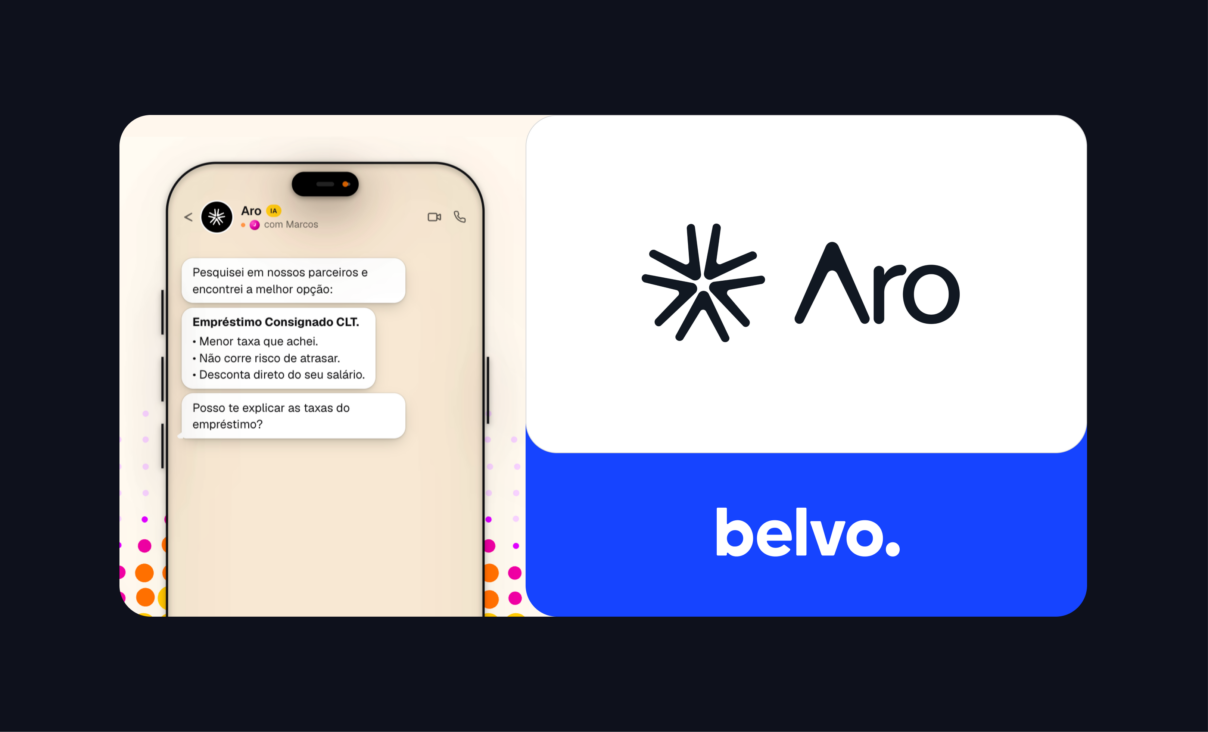
Aro is a Brazilian credit platform that took exactly this path. The company placed Open Finance at the top of the funnel, mandatory for every new customer. In nine months, its conversion rate rose to 80% to 90%, and fraud stopped being a relevant problem in the funnel.
The full case study shows, step by step, how Aro went from a mandatory bank connection to its own internal score, and how its default numbers changed along the way.